JOIP Dispatch: St. Mary’s Food Bank and the Significance of Statistics
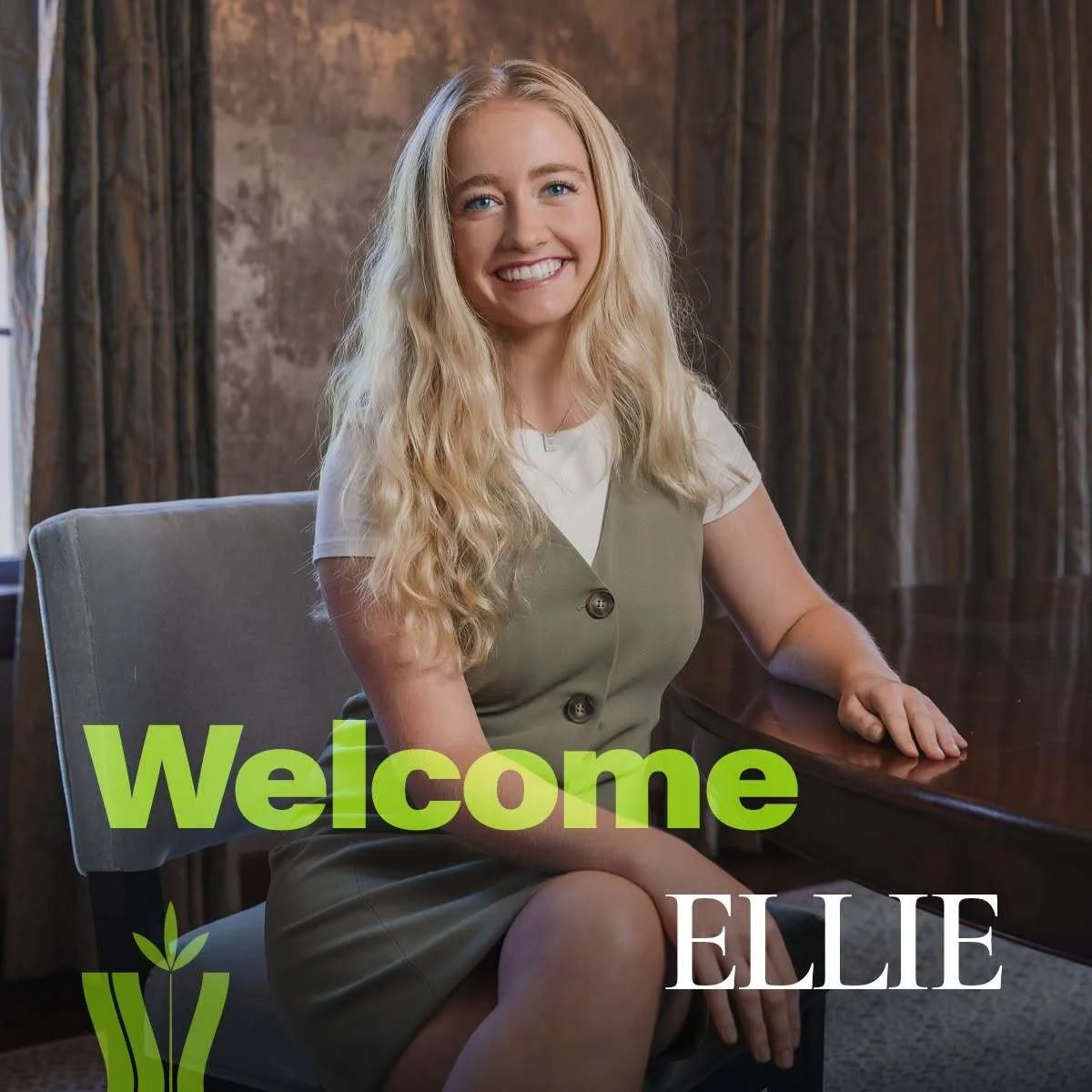
By Ellie Lokitz
“If people come to us for help, we’re going to help them.”
Walking into St. Mary’s Episcopal Church on a Tuesday morning, you will see volunteers and church members performing a familiar routine. The women in the kitchen are placing biscuits in a warm oven and stirring up sizzling sausage gravy. The men outside are filling last-minute bags and shoving on gloves to prepare for the endless line of cars. The priest walks throughout the church ensuring that everyone is ready to unlock the doors. And, sitting at a table with his computer in front of him, is a man always wearing a blue Auburn University cap, who spends his time quietly, but kindly, working and interacting with patrons during the food bank rush.
I am living in Jasper, Alabama, this summer as a part of the David Mathews Center’s Jean O’Connor-Snyder Internship Program, in partnership with the University of Alabama's New College and the Walker Area Community Foundation (WACF). My placement has been at the Bankhead Heritage House and Museum working alongside Martha Salomaa and Mimi Hudson performing historical and archival projects. On Tuesday mornings, however, I have the privilege of volunteering with the St. Mary’s Food Bank alongside many incredible volunteers and staff. During my volunteering time, I was fortunate to meet the humble Mike McClendon, and I am honored to have been allowed to interview him and share the incredible work of everyone involved with the St. Mary’s Food Bank.
Mike McClendon has served as the main orchestrator of the St. Mary’s Food Bank for ten years and created, while still constantly updating, the computer program that the food bank uses to track recipient information. This information not only allots resources for each family receiving food, it is also used by the organization to apply for grants.
The Food Bank started in the early 2000s and was run by the first orchestrator, Ilona Jordan. Pointing to a small room in the back of the church, Mike explained, “They did this little food bank on Tuesday mornings, and we worked out of that room right there. Everything was in that room, really, and we packed as we went.”
After volunteering for only one year, Mike was asked to step into the role of administrating the food bank in 2014. In his next ten years, the food bank would grow from serving fifty to sixty families to two hundred families per week.
A computer programmer at heart, McClendon noticed a way to make the processing of families’ information easier and more efficient. He created a digital program allowing more information to be processed and to allow more than one person working in the program at the same time. Mike is constantly working on this application, among other projects, with the most recent update being digital signatures for government forms. “My wife gets all upset with me because I spent too much time on the computer,” said Mike, “And, I spend a lot of time on the computer, right? But, I enjoy programming.”
This organization and drive to create action was essential when the COVID-19 pandemic struck. All on a Tuesday afternoon, St. Mary’s was able to partner with the WACF and other nonprofits and public services in the county to create a distribution system starting that next Thursday. In the entire county, people were receiving the food they needed and were helped with the application process for SNAP benefits.
“Most places, it took them a couple months to get organized, and we were so far ahead of the curve,” explained Mike. “Because of that, and because of the food distributions that were going on, we never [did] experience the problems that a lot of other places did.”
Organizing and collecting information are key aspects of running a food bank, especially in times of crisis. However, McClendon acknowledged and stressed the importance of human interaction, compassion, and care when running a food bank.
A food bank is more than a place for people to receive food. Mike recalled stories of helping people recover from drug addiction, escape abusive relationships, and overall, just be reminded that there are people in the community who care. The food bank is a safe place where people can ask for help without being judged. “The people we deal with and getting to know them and, you know, talking to them and things. It’s just a blessing for all of us,” he reflected.
One of Mike’s favorite stories is from one of their Christmas food pick-ups. They give families special ingredients, such as a Christmas ham, and they purchase toys for children that are receiving food. He recalled a little four- or five-year-old boy who went into their toy room. He came out empty handed. “They asked him, ‘Why? Why didn’t you get something?’ And he said, ‘the only thing I want for Christmas is a pair of warm socks,’” explained Mike, “So, we sent people to Walmart, and we bought socks. And ever since then, we’ve given out socks.”
As much as recipients of the food bank receive, St. Mary’s volunteers obtain a lot from the experiences of the food bank. Mike discussed the false preconceptions that society has about people who receive help from food banks. He readily acknowledges that his conceptions were changed by working at the food bank. “They’re not trying to beat the government or anything. None of that’s right. I mean, they’re just people. They’re just regular people like the rest of us.”
Mike’s software allows St. Mary’s to track the statistics of the population they are serving. Two-thirds of the people who come to the food bank attend five times or less. These families are experiencing short-term problems, and, once resolved, no longer need assistance. Twenty to twenty-five percent of people who receive food are senior citizens living on fixed incomes and require long-term assistance. Somewhere between five and ten percent of people who receive food are disabled and are most likely living on Social Security. Only five percent of people who receive food fit the traditional stereotype of people who may be employable but do not work.
Regardless of who comes to the food bank, it’s the people of St. Mary’s mission to give food and aid. A s Mike stated, “If people come to us for help, we’re going to help them.”
Ellie Lokitz is a rising sophomore at The University of Alabama, where she is pursuing a bachelor's degree in Environmental Engineering with a minor in Social Innovation and Leadership through the Witt University Fellows Program. This summer, Ellie was placed with the Bankhead House and Heritage Center and volunteered once a week at the St. Mary’s Food Bank.