Little Places, Big Community: A Love Letter to Rutledge, Alabama
By: Chauntina Whittle
They say home is where the heart is, but I’ve come to believe it’s also where the first heartbeat of community begins.
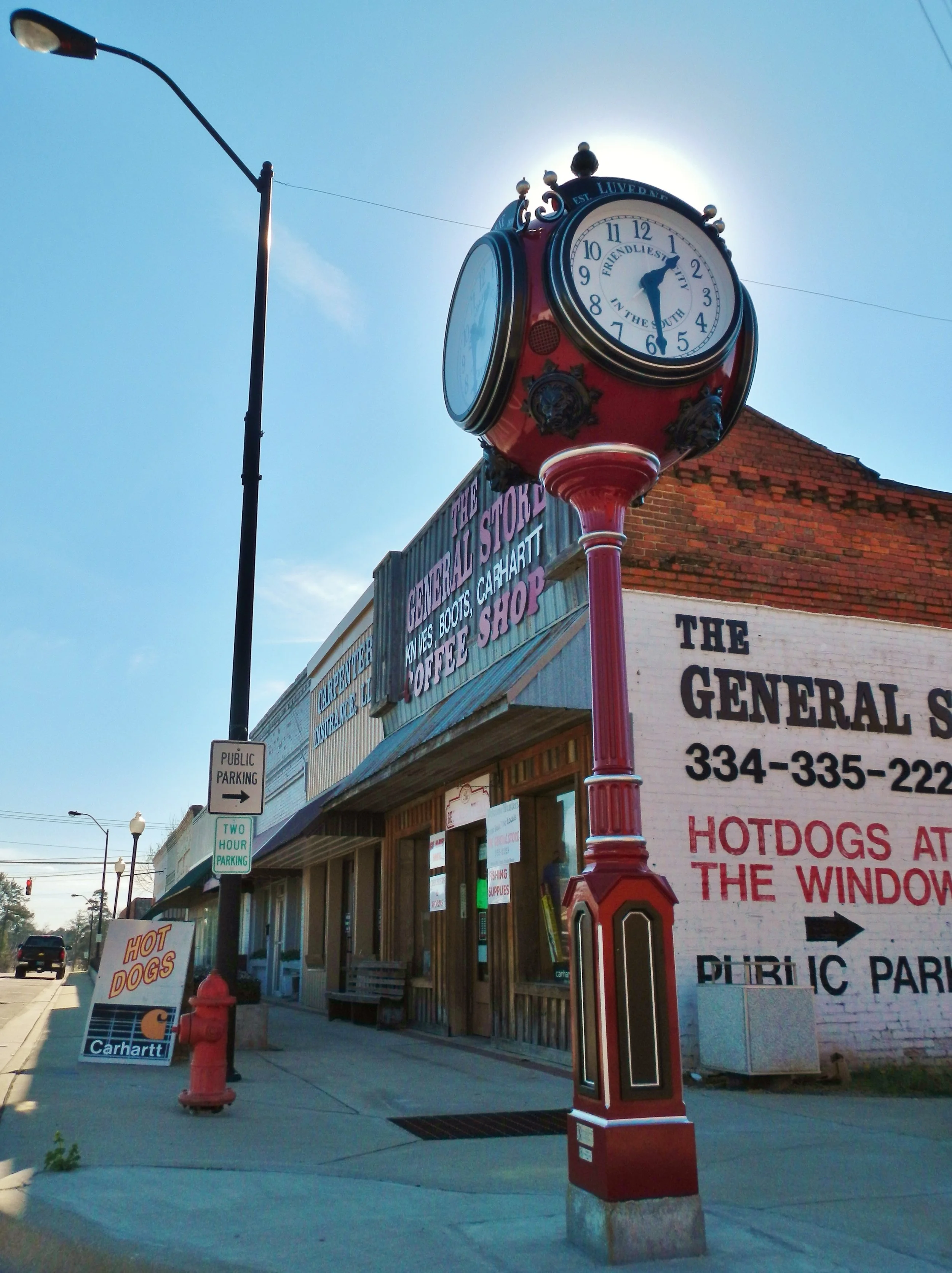
Photo Credit: City of Luverne
Home has never just been a place to me. It feels like warmth that lingers long after you’ve left, like something tucked away inside you that doesn’t fade with distance or time. It’s where you first learn who you are, how to care for others, and what it means to belong to something bigger than yourself. Even as life shifts, there’s an unshakable foundation that follows you wherever you go.
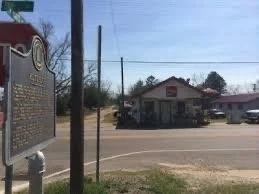
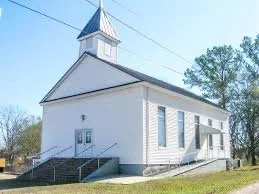
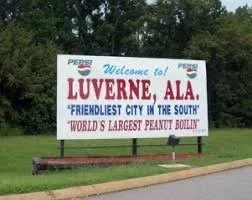
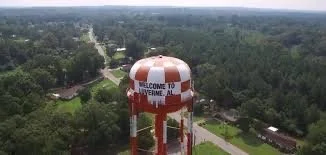
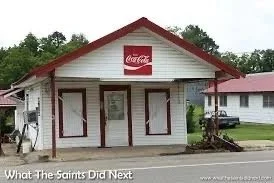
The city of Luverne, Alabama, proudly calls itself the “Friendliest City in the South.” But about ten miles west, is a place that is an extension of this title, a smaller, quieter place that I call home, a spot on the map you won’t see advertised on a sign or printed on a brochure. It’s tucked away, almost frozen in time, and yet it holds something deeper than a title. It holds the kind of community you don’t have to declare, because it’s lived every single day.
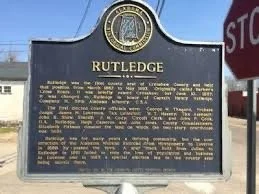
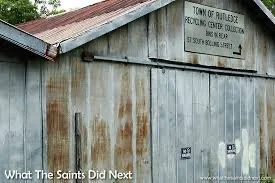
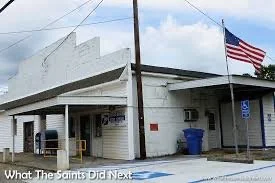
The little farm town of Rutledge, Alabama, is where I learned what community really means. In that place, community wasn’t a claim or declaration of proximity, but a way of life. It looked like neighbors who didn’t wait to be asked for help. It felt like doors that were never fully closed and eyes that were always looking out for you. It was understanding that you weren’t just an individual moving through life on your own. You were a part of something shared, something collective.
My grandmother used to tell me stories about the Black community in the heart of Rutledge. Stories about how people showed up for each other not out of obligation, but out of love. If someone went hunting and brought home a hog, it wasn’t just their family that ate. The whole community gathered, shared, and rejoiced together. During breaks from working in the fields, people found joy in the smallest things like sharing honeybuns and cheese, laughing, resting, and simply being together.
When school let out, there wasn’t money left over for recreational sports or perfectly lined ball fields. The community formed their own baseball teams and carved out a makeshift field in the woods so the children could play. It wasn’t about what they didn’t have, but rather what they could create together.
These stories weren’t just echoes of the community’s past. I lived my own version of them. Growing up, resources weren’t always easy to come by. But what we lacked in access, we made up for in connection. My neighbors shared more than just things. They shared information, opportunities, and time. While my grandmother would take me into town, waiting in long aid-relief lines at the courthouse or city hall, someone next door would be “watching the house,” making sure everything was safe until we returned.
There were people in my neighborhood who stepped in without hesitation and made sure I got to school on time, corrected me when I was wrong, and made sure I never went hungry. At the same time, my grandmother was giving people rides to work, job interviews, and appointments. It was a constant exchange, a rhythm of giving and receiving where no one kept score.
I remember the seasons when our fruit trees would overflow, producing more than we could ever need. I’d spend hours picking bag after bag, not to keep, but to give away. And in return, my grandmother was never without care. The grass was cut. The trees were pruned. The garden was tended. Help showed up before it was ever requested.
Rutledge taught me something I didn’t fully understand at the time. Being part of a community means learning how to be both a receiver in times of need and a giver in times of abundance. It means recognizing that your neighbor isn’t just someone who lives next door, but your greatest asset, and your greatest opportunity to love beyond yourself.
I also saw these lessons in the "Friendliest City in the South” just down the road. There are so many stories of neighbors from Luverne and Rutledge caring for each other across distance and differences of opinion. Whether it's gathering to discuss very important matters in the small dining room of the Chicken Shack (the best fried chicken restaurant in Alabama) or making sure to get multiple bags of boiled peanuts from the “World's Largest Peanut Boil” to raise money for the Shriners Hospitals for Children, or coming together for the annual Relay for Life in remembrance and advocacy for those we have lost their battle against cancer, all of these places share something in common. They are the building blocks of community.
Because the truth is, the “friendliest city” is about more than words on a sign. True community lives where people show up for each other and where resilience lives in every corner and at every stop sign. It’s where survival isn’t just about getting by, but making sure no one has to do it alone. Community at its core is about leaning in and letting others lean in.
Rutledge, my small, tucked-away town, may never be widely known or formally recognized. But it gave me something lasting. It showed me that community is built in the everyday moments, shared meals, watchful eyes, and with open hands.
Even now, in places far from where I first learned these lessons, I can still feel it. That same spirit of connection, intentional care, and quiet generosity will follow me always. I hope that in every new space I enter, I will carry those early lessons with me and, in many ways, become the same heartbeat of home for those around me.