

Civic Dispatch: Mental Health Stigma in Rural Communities and the Importance of HARTT
by Sam Miller
With millions of people sick and facing an alarming death rate, 2020 is a year that will forever remain ingrained in the minds of Americans and leave a deep and lingering impact. While COVID-19 greatly affected the physical health of the country, the time of forced isolation stuck with millions and led to a nationwide increase in mental health issues. Being forced to spend every day isolated from other people, in combination with increased anxieties due to the stress of being in a global pandemic, COVID-19 placed a huge toll on one’s mental health. A 2022 Pew Research Study surveyed high school students affected by the pandemic and found that 37% had faced regular mental health problems throughout the entirety of the pandemic. Although COVID-19 had a negative impact on the entire country's mental health, it hit rural areas especially hard, where over 29 million Americans live in places that have a drastic shortage of mental health professionals. This lack of resources, combined with an increase in mental health problems due to the pandemic, means that many rural community members have little to no support when facing these challenges.
While this nationwide increase is concerning, it has also led to a rise in mental health awareness and support for organizations that aim to help with people's mental health needs. Among these organizations working to supply rural communities with support is HARTT, a nonprofit counseling center located in Jasper, Alabama. HARTT has been an integral part of increasing mental health resources in Walker County by having on-site counselors who are ready to work with people to meet their needs. In addition to counseling, the organization does work with juvenile diversion to keep kids out of the juvenile prison system and, instead, focusing on providing kids with direction that will lead to long-term success. As an organization, HARTT is a great lens to look through when understanding how stigma shapes mental health in rural communities and benefit from an increase in resources.
This summer, I have been working for HARTT as an intern through UA’s New College branch of the Jean O’Connor-Snyder Internship Program at the David Mathews Center for Civic Life, where I have been able to learn about civic engagement in Jasper, Alabama. Through my internship, I have worked on a grassroots marketing campaign alongside HARTT’s other summer intern, Mack Moody, who is a rising senior at UAB and wants to be a counselor after college. Between working with Mack, going to different parts of Walker County promoting the resources HARTT offers, and talking with the counselors and staff at HARTT, I have come to better understand how important it is for rural communities to have access to mental health care. In my conversations with Mack and talking to Tina Aaron, the program director at HARTT, I have been able to discuss how, in rural communities, two of the biggest challenges to providing mental health services are the stigma and making the mental health resources accessible for all people in the community.
As discussed before, one of the biggest challenges facing mental health progress is the stigma that surrounds talking about mental health. This stigma is especially prominent in rural communities and among men, where it is often hard for people to open up about their mental health struggles. Speaking based on his mental health journey, Mack touched on how it can often be very tough for people, especially men, to be vulnerable about their struggles. “It's difficult for a lot of men to open up; there's a mentality instilled into you with parents and coaches that you need to 'man up,' and you don't talk about your problems.” This idea of men needing to be closed off and distant in dealing with their issues highlights the larger problem of a general stigma and misunderstanding of mental health, especially in rural areas. Because of this, men often feel the need to hide their mental health problems and think that being vulnerable is similar to being weak. A 2019 study on mental health stigma in rural communities shows how gender stereotypes lend themselves to make it harder for men to open up about their mental health.
The stigma around mental health in rural communities also lends itself to making it harder for people to feel comfortable speaking openly about their mental health problems. Speaking on this fear, Mack said, “I think it's hard because you don’t know how people will react to it. People can be open, but don't talk about it. A lot of people agree with supporting mental health, but they don't talk about it.”
This summer, I have seen firsthand how important it is for mental health organizations like HARTT to exist in rural communities. These organizations serve as proof that what rural areas need to combat the stigma is a strong local presence that advocates for mental health. Having these organizations allows community members to feel more comfortable being open about their struggles and provides a space for open dialogues about the issue, especially in rural areas, where such opportunities were not always available.
When asked about the impact HARTT has had in Walker County, Miss Tina Aaron said, “One of HARTT’s greatest accomplishments has been normalizing the conversation around mental health and educating the community on the impact of trauma and trauma-informed approaches.” By normalizing discussions and decreasing the stigma around mental health in Walker County, HARTT serves as a perfect example of how important it is to have a local organization in rural communities dedicated to improving mental health resources. By building relationships with people and individuals in Jasper and Walker County, HARTT can serve as a counseling center that normalizes mental health care by promoting services through the body of an organization that is deeply rooted in and trusted by the community it seeks to serve.
In addition to diminishing mental health stigma, one of the most important things HARTT does is connect community members to new and existing resources that are available in the community. A lot of times, there are several resources and programs that already exist to offer services to individuals who get overlooked or unheard due to how hard it can be to spread information in rural communities and where not everyone has easy internet access. Informing people in rural areas of the resources that they have available to them is one of the biggest challenges - and convincing individuals to take the first step to seek the help that they are being offered. When speaking about how HARTT addresses needs in the community, Miss Tina said, “HARTT has been a bridge for our community, connecting people to the mental health resources they desperately need while creating new avenues of support where there were limited before. We've worked to ensure that no one feels alone or without options right here in Walker County.”
While mental health stigma is still prevalent in rural communities, HARTT has done a lot of work in Walker County to destigmatize and increase access to mental health resources. Looking at HARTT’s work in Jasper, it is clear they provide a good framework for how mental health organizations can be pillars in their communities and work to connect locals with important resources.
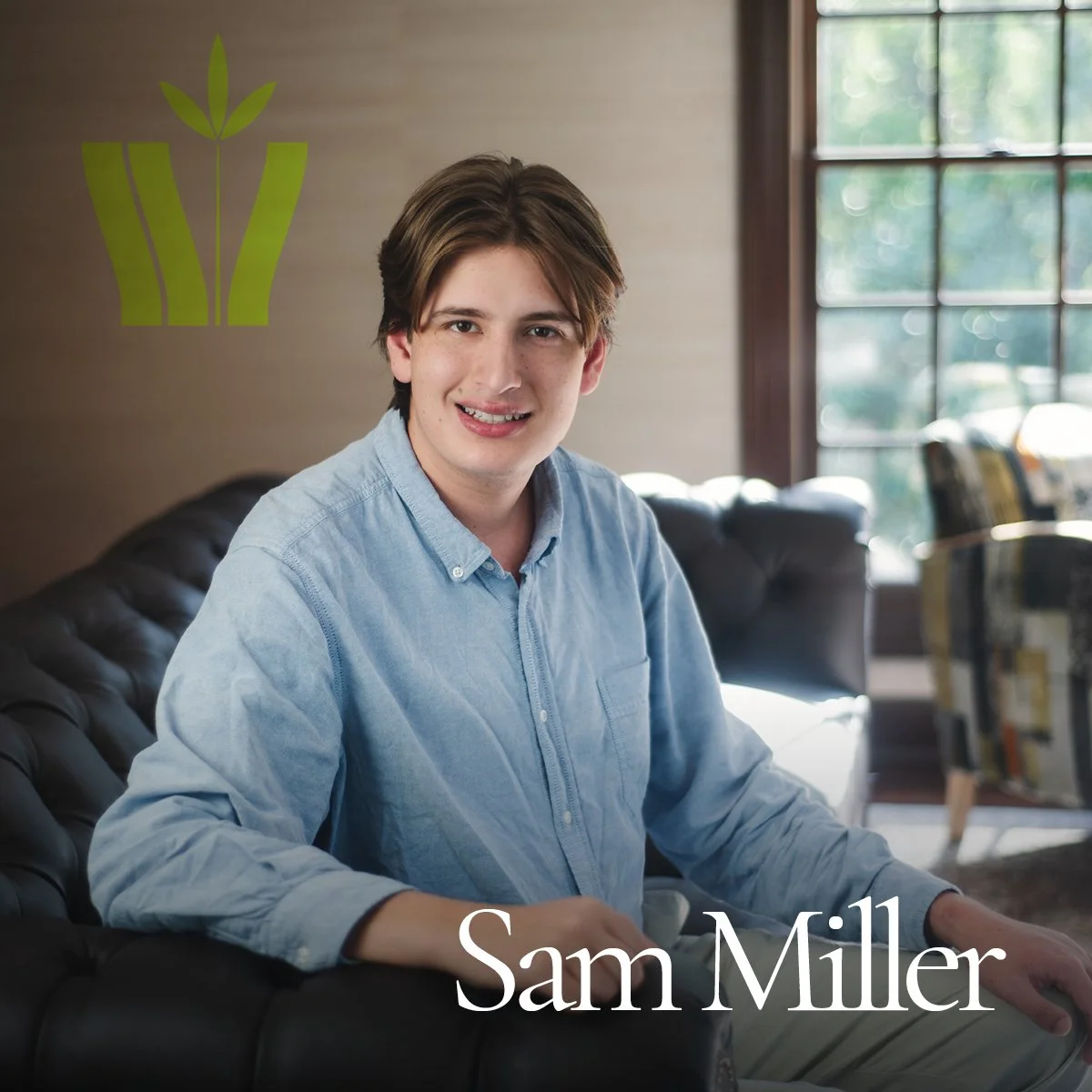
Photo Credit: Walker Area Community Foundation
Sam is a junior at The University of Alabama pursuing a depth study in Environmental Policy through New College, with a minor in the Blount Scholars Program.
This summer, Sam interned with HARTT, working on a grassroots marketing campaign aimed at connecting people in Walker County with mental health resources and reducing the stigma around mental health in the area.